
🐾 The Ultimate Guide to Pet Food: Nutrition, Types & Tips for Happy Pets
Feeding your beloved furry friend the right food is one of the most important things you can do as a pet parent. Just like humans, pets need balanced nutrition to stay active, healthy, and happy throughout their lives. Whether you have a playful puppy, a curious kitten, or a mature adult dog or cat, understanding pet food options can feel overwhelming — but we’re here to make it simple!


4
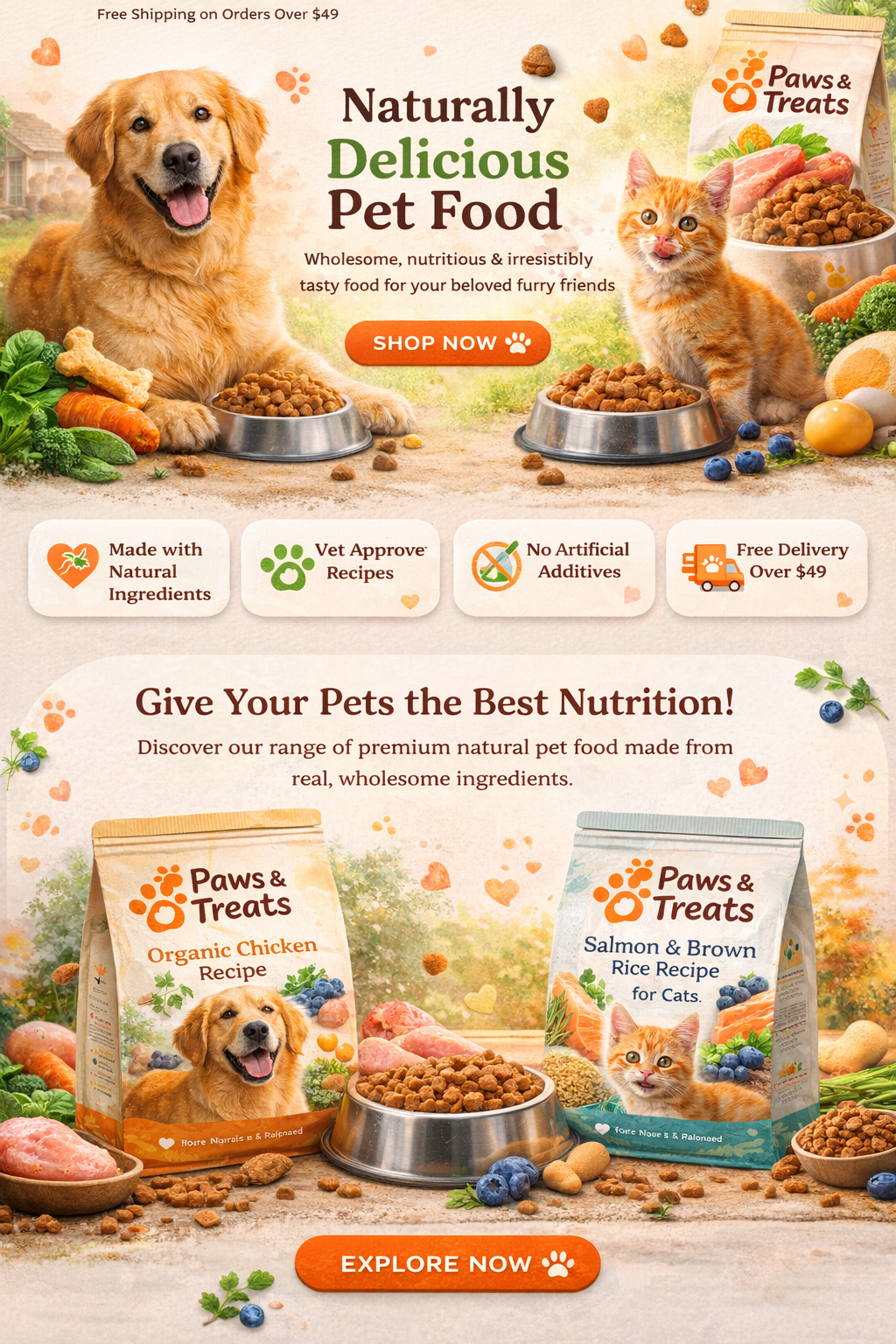
(Images: Examples of dry kibble, wet food bowls, and feeding dishes — great visuals for your pet blog.)
🐶 Why Pet Nutrition Matters
Just like humans, pets require a combination of proteins, fats, carbohydrates, vitamins, minerals, and water to thrive. These nutrients support energy levels, muscle growth, coat health, and overall longevity.
- Proteins help build and repair tissue.
- Fats provide concentrated energy and support skin and coat health.
- Vitamins & Minerals keep internal systems functioning.
- Water keeps your pet hydrated and vital.
A diet lacking these essentials can lead to poor health, low energy, and chronic problems. That’s why choosing the right food isn’t just about filling the bowl — it’s about feeding for well-being.
🥫 Top Types of Pet Food
There are several pet food options available. Each has unique advantages depending on your pet’s age, lifestyle, and dietary needs.
🥇 Dry Food (Kibble)
- Most common and convenient.
- Helps with dental health by reducing tartar buildup.
- Easy to store and serve.
Pros: Longer shelf life, economical, helps with teeth
Cons: Lower moisture content than wet food
🥣 Wet/Canned Food
- Higher moisture—great for hydration.
- Often more palatable to picky eaters.
Pros: More enticing smell/taste, extra hydration
Cons: More expensive, shorter once opened
🥩 Raw & Fresh Food Options
Some pet parents choose raw or fresh vet-approved meals. These can be highly nutritious but require careful preparation to ensure balance and safety.
🐕 Choosing the Right Food
Here are a few tips to help you pick the best food for your pet:
✅ Check the label: Look for a statement that says the food meets nutritional standards for pets (e.g., AAFCO cert).
✅ Match life stage: Puppies and kittens need more protein and rich nutrients, while seniors may require joint support and fewer calories.
✅ Avoid fillers: Stay away from foods high in artificial colors, flavors, or preservatives.
✅ Consult your vet: Always ask a professional if you’re unsure or your pet has medical conditions.
🐱 Homemade Treats & Special Meals
If you enjoy cooking, pet-safe homemade options like turkey bites, chicken rice mixes, and sweet potato snacks can supplement their diet — but always balanced and vet-approved.
🐾 Final Thoughts
Good food equals good health! Taking time to understand your pet’s nutritional needs, comparing food types, and making informed choices can truly make a difference in their quality of life. Whether you prefer dry kibble, wet food, or fresh meals, it’s all about balance, quality, and love.
